So you’ve decided to dive into 3D printing. Welcome — it’s one of the most satisfying hobbies you can pick up. Whether you want to print miniatures, replacement parts, custom phone stands, or just see what the fuss is about, getting started has never been easier.
The hard part? Picking your first printer. Walk into any forum and you’ll find passionate debates about every machine on the market. We’ve cut through the noise to bring you five of the best 3D printers for beginners in 2026 — real machines, honest assessments, and links so you can buy with confidence.
Disclosure: This post contains affiliate links, and as an Amazon Associate we may earn a commission from qualifying purchases at no additional cost to you. We only recommend products we’d suggest to a friend — see our full affiliate disclosure for details.
Our Top 5 Beginner 3D Printers for 2026
1. Bambu Lab A1 Mini — Best Overall for Beginners
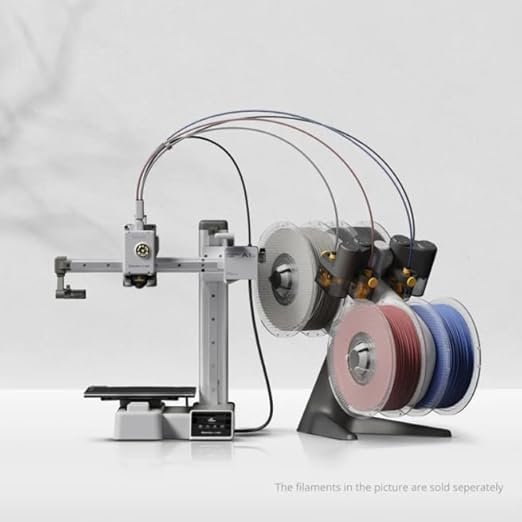
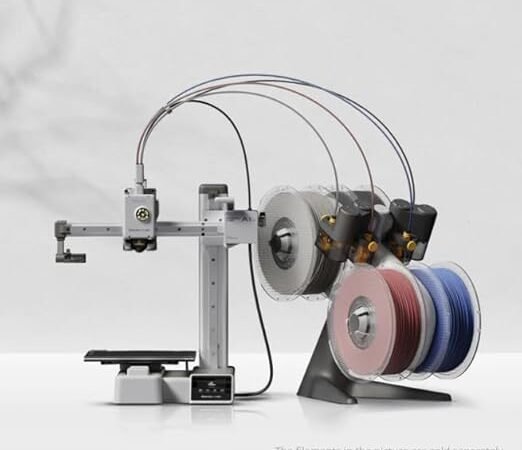
If you want to unbox a printer, hit print, and actually get a great result on your first try — the Bambu Lab A1 Mini is your machine. It arrives nearly ready to go, self-calibrates automatically, and produces genuinely impressive prints without any tinkering.
The A1 Mini has a compact footprint (great for desks), runs quietly at under 48 dB, and connects to Bambu’s slick mobile and desktop apps. Print speeds are fast — a small Benchy boat in around 14 minutes. For a beginner, this thing almost feels like cheating in the best possible way.
Want to eventually print in multiple colors? The A1 Mini Combo with AMS lite adds automatic multi-color filament switching right out of the box.
- Build volume: 180 x 180 x 180 mm
- Best for: Beginners who want results immediately, no fuss
- Price range: ~$300–$350
2. Creality Ender 3 V3 SE — Best Budget Pick
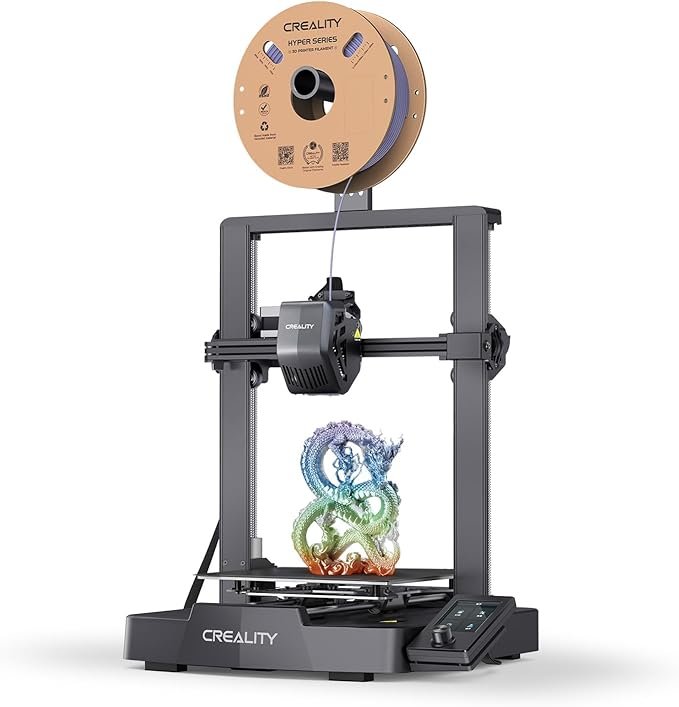
The Ender 3 name is practically synonymous with beginner 3D printing, and the V3 SE is the best version of that legendary machine yet. It brings automatic bed leveling (CR Touch), a direct drive extruder, and print speeds up to 250 mm/s — at a price that undercuts almost everything else on this list.
Assembly takes about 20–30 minutes and the community support is enormous. If you ever get stuck, there are thousands of tutorials, forum posts, and YouTube walkthroughs specifically for this printer. It’s also highly upgradeable, so it grows with you as your skills improve.
- Build volume: 220 x 220 x 250 mm
- Best for: Budget-conscious beginners who don’t mind light assembly
- Price range: ~$160–$200
3. Elegoo Neptune 4 — Best Speed-to-Value Ratio
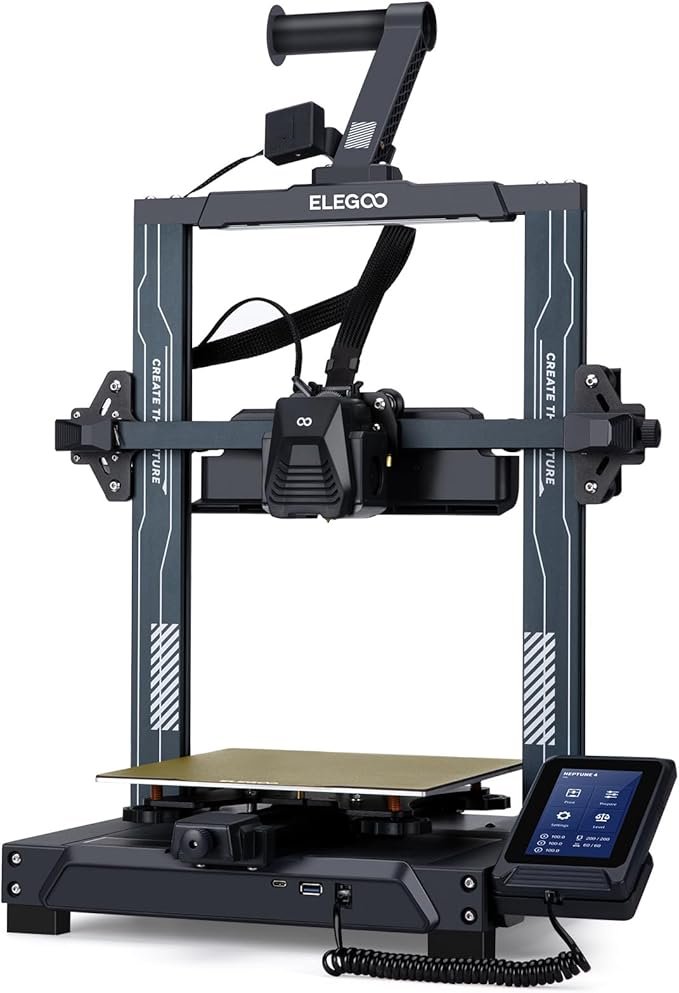
The Elegoo Neptune 4 punches well above its price point. It runs Klipper firmware — the same software enthusiasts install on high-end machines — which gives you excellent print quality and speeds up to 500 mm/s.
Setup is straightforward, auto-leveling works reliably, and the dual-gear direct drive extruder handles flexible filaments better than many competitors. If you want a printer that feels capable right now and has room to grow into, the Neptune 4 is a smart buy.
- Build volume: 225 x 225 x 265 mm
- Best for: Beginners who want speed and a learning-friendly open platform
- Price range: ~$200–$230
4. Original Prusa MK4 Kit — Best for Learning the Craft
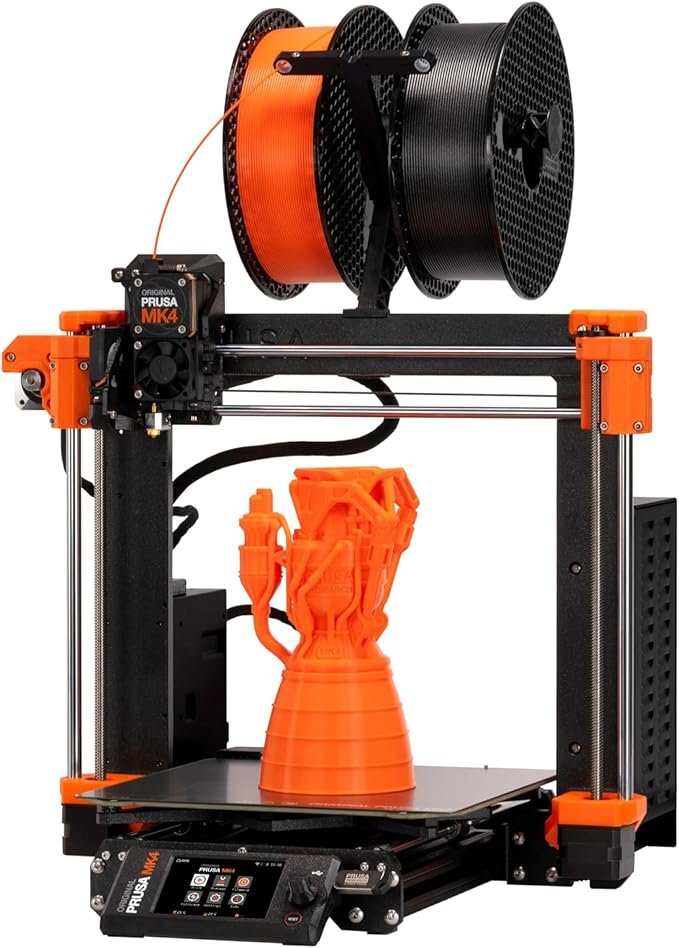
If you want to truly understand how a 3D printer works, nothing beats building one yourself — and the Prusa MK4 Kit is the gold standard for that experience. Prusa’s documentation and assembly guides are exceptional, and putting the machine together yourself means you’ll know how to fix it if something ever goes wrong.
Once built, the MK4 delivers professional-grade prints with automatic calibration, a removable spring-steel bed, and legendary reliability. Prefer it pre-assembled? The upgraded Prusa MK4S fully assembled ships ready to print.
- Build volume: 250 x 210 x 220 mm
- Best for: Curious beginners who want to learn deeply and print with precision
- Price range: Kit ~$400 | Assembled MK4S ~$800
5. Bambu Lab A1 Mini Combo — Best for Creative Hobbyists
The A1 Mini Combo bundles the A1 Mini with the AMS lite — a filament management system that lets you print in up to four colors automatically, no manual swapping required. Print colorful game miniatures, two-tone logos, or fun home decor without any post-processing paint work.
- Build volume: 180 x 180 x 180 mm
- Colors supported: Up to 4 with AMS lite
- Best for: Hobbyists excited about colorful, creative prints
- Price range: ~$450–$500
Beginner’s Buying Guide: What to Look for in Your First 3D Printer
Auto Bed Leveling — Don’t Skip It
Getting a perfectly level print bed is the single biggest source of beginner frustration. Every printer on this list includes automatic bed leveling, which handles this for you. This alone will save hours of troubleshooting your first week.
FDM vs. Resin
All five printers above are FDM (Fused Deposition Modeling) machines, which melt plastic filament to build up layers. This is the best starting point for most beginners — affordable materials, safe process, no messy resin.
Filament Type
Start with PLA filament. It’s the most beginner-friendly plastic — easy to print, forgiving of temperature variation, and available in every color imaginable. Once comfortable, branch out into PETG, TPU (flexible), and more.
Community and Support
This matters more than beginners expect. The Ender 3 and Prusa ecosystems have enormous communities — forums, Reddit, YouTube, and Discord. When you hit a snag, community support is invaluable.
Which One Should You Buy?
- Quickest path to great prints: Bambu Lab A1 Mini
- Tightest budget: Creality Ender 3 V3 SE
- Speed + value balance: Elegoo Neptune 4
- Best for learning deeply: Prusa MK4 Kit
- Most fun for creative projects: Bambu Lab A1 Mini Combo
3D printing in 2026 is more accessible than it’s ever been. Any of these machines will give you a great foundation. Pick the one that matches where you are — and enjoy the journey of making things with your own hands.
Accessories & Filament to Buy With Your Printer
Once you’ve ordered your printer, grab these to start printing on day one:
- Bambu Lab PLA Basic — Browse on Amazon
- Creality Hyper PLA (for Ender 3) — Browse on Amazon
- AMS Lite-compatible refill spools — Browse on Amazon
- 3D printer tool kit — Browse on Amazon
- PEI plate for Ender 3 V3 SE — Browse on Amazon